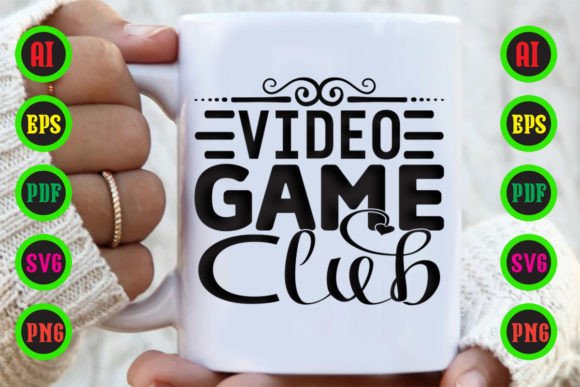
Video Game Club: An Embroidery Review for Makers
As someone who has spent years turning digital files into tangible, stitched treasures, I approach every new design with a mix of excitement and skepticism. When I first pulled up the Video Game Club file, my initial reaction wasn't just about the theme; it was about how that theme would translate from a screen to fabric. In the world of Crafts and Graphics, there is a distinct difference between a design that looks good in a mockup and one that actually holds its structure under the needle. This review breaks down exactly what happens when you take this specific design out of the virtual realm and put it into your embroidery machine for real-world application.
The First Stitch: Mood and Visual Personality
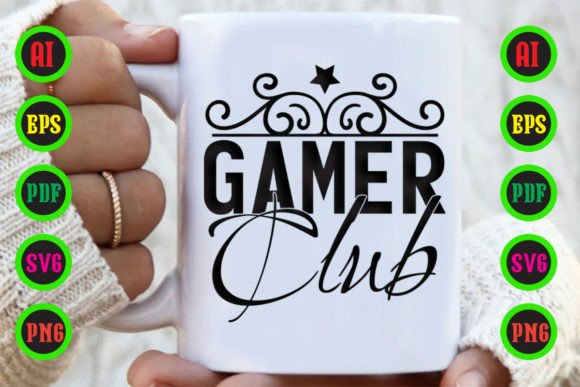
The Video Game Club design immediately signals a sense of community and nostalgia. It isn't just text; it carries the weight of shared experiences, late-night gaming sessions, and the joy of collecting rare items. Visually, the layout feels balanced, suggesting that the lettering and any accompanying graphics are spaced to allow the thread to breathe. For an embroiderer, this balance is crucial. A design that feels too crowded often results in a muddled mess on the final product, while one that is too sparse can look unfinished. This file strikes a chord that suggests it belongs in spaces where creativity and fun intersect.
I envision this design not merely as a logo, but as a statement piece. The mood it creates is welcoming yet slightly rebellious, perfect for those who want to express their hobbies without being overly loud. Whether you are creating a custom sweatshirt embroidery for a local LAN party or a subtle accent on a tote bag for a craft fair, the visual personality of Video Game Club is versatile enough to fit both personal and commercial narratives.
Real-World Application: From Screen to Stitch
Let's talk about a scenario I encounter frequently in my own workshop. Imagine you are preparing for a holiday market or launching a new line on Etsy. You have a stack of plain canvas tote bags and some high-quality cotton sweatshirts ready to go. You decide to use Video Game Club as the centerpiece for a "Gamer Gift" collection. How does it perform?
In practice, this embroidery file shines when used on stable fabrics like heavy cotton twill for tote bags or fleece for hoodies. The design likely utilizes a combination of satin stitch for outlines and bold lettering, paired with fill stitch for any graphic elements. When executed correctly, the texture of the thread adds depth that flat prints simply cannot achieve. Customers interacting with a physical embroidered item often perceive higher value because they can feel the craftsmanship. The tactile nature of the stitches makes the finished product feel more premium, which is essential for small shop products aiming to stand out in a saturated market.
However, the design also has potential for softer applications. Picture a baby onesie or a nursery wall hanging. If the stitch density is appropriate, Video Game Club could serve as a unique way to introduce gaming culture to the next generation, perhaps on a soft muslin blanket or a durable apron for a young maker. The versatility allows it to function as a personalized gift that feels thoughtful rather than generic.
Where Caution Is Required
Despite its strengths, no single design is a magic bullet for every situation. As an experienced designer, I must highlight where Video Game Club might struggle if applied without forethought. One of the most common pitfalls involves trying to fit complex designs onto curved surfaces like baseball caps. While the design might look great on a flat surface, the curvature of a cap can distort lettering, making it difficult to read if the hoop size or stabilizer choice isn't precise.
Additionally, be wary of using this design on thin or highly stretchy fabrics like lightweight polyester or jersey knit without proper stabilization. If the fabric shifts during stitching, the running stitch details or fine lines can become misaligned, ruining the aesthetic. Similarly, small hoop sizes present a challenge. If the design contains intricate corners or tiny details, attempting to condense them into a 4x4 inch hoop can result in lost definition. The threads may bunch up, creating a stiff area that detracts from the comfort of the garment.
Another critical consideration is dark fabric. If the design relies on light-colored threads for contrast, you may need to add a layer of underlay or use a specific thread color palette to ensure visibility. Without this attention to detail, the finished product might look washed out, reducing the professional appeal of your work.
Impact on Brand and Customer Trust
For Etsy sellers and digital product sellers, the quality of your embroidery directly impacts customer trust. A well-executed Video Game Club design signals professionalism. It tells the buyer that you care about the details, from the thread tension to the finishing touches. Conversely, a sloppy execution can lead to negative reviews, regardless of how cute the design concept is.
The design also enhances brand consistency. If you are building a boutique brand around gaming culture, having a cohesive look across all your merchandise—from custom apparel to kitchen towels—helps establish recognition. When customers see the same high-quality embroidery style on different items, they begin to associate that quality with your entire business. This is particularly important for commercial embroidery projects where volume and consistency are key.
Practical Designer Notes for Success
Before you hit the start button on your machine, there are several steps you should take to ensure the best possible outcome. First and foremost, always test the design on scrap fabric. This simple step can save you hours of rework and wasted materials. Check the thread color contrast against your chosen background; sometimes a color that looks vibrant on a monitor appears dull in person due to lighting and fabric texture.
Review the stitch density carefully. High-density areas require adequate stabilizer to prevent puckering. If the design includes applique design elements, ensure you have the correct backing material to support the layers. Confirm the recommended hoop size before beginning; forcing a large design into a small hoop often leads to registration errors. Inspect small details closely, especially if you plan to use the design for embroidered patches where clarity is paramount.
It is also wise to test the design in black and white mockups. This helps you visualize the contrast and balance without the distraction of color. Compare how the design performs on both light and dark fabric backgrounds to understand its full range. Use the proper stabilizer for your specific fabric type; tear-away might work for a sturdy tote bag, but cut-away is often necessary for stretchy garments to maintain shape over time.
Finally, double-check the licensing terms. Many designers assume that purchasing a file grants unlimited commercial rights, but this is not always the case. Ensure you are cleared to sell finished items or distribute the digital embroidery file itself if that is part of your business model. Confirming these legalities protects your reputation and keeps your craft business running smoothly.
In conclusion, Video Game Club offers a compelling opportunity for makers looking to expand their inventory with a design that resonates with a passionate audience. By approaching the project with careful planning and technical awareness, you can transform this digital asset into a stunning handmade product that brings joy to gamers everywhere. Whether it ends up on a sweatshirt, a pillow cover, or a festive holiday gift, the success lies in the preparation and the care taken during the stitching process.